Language: English
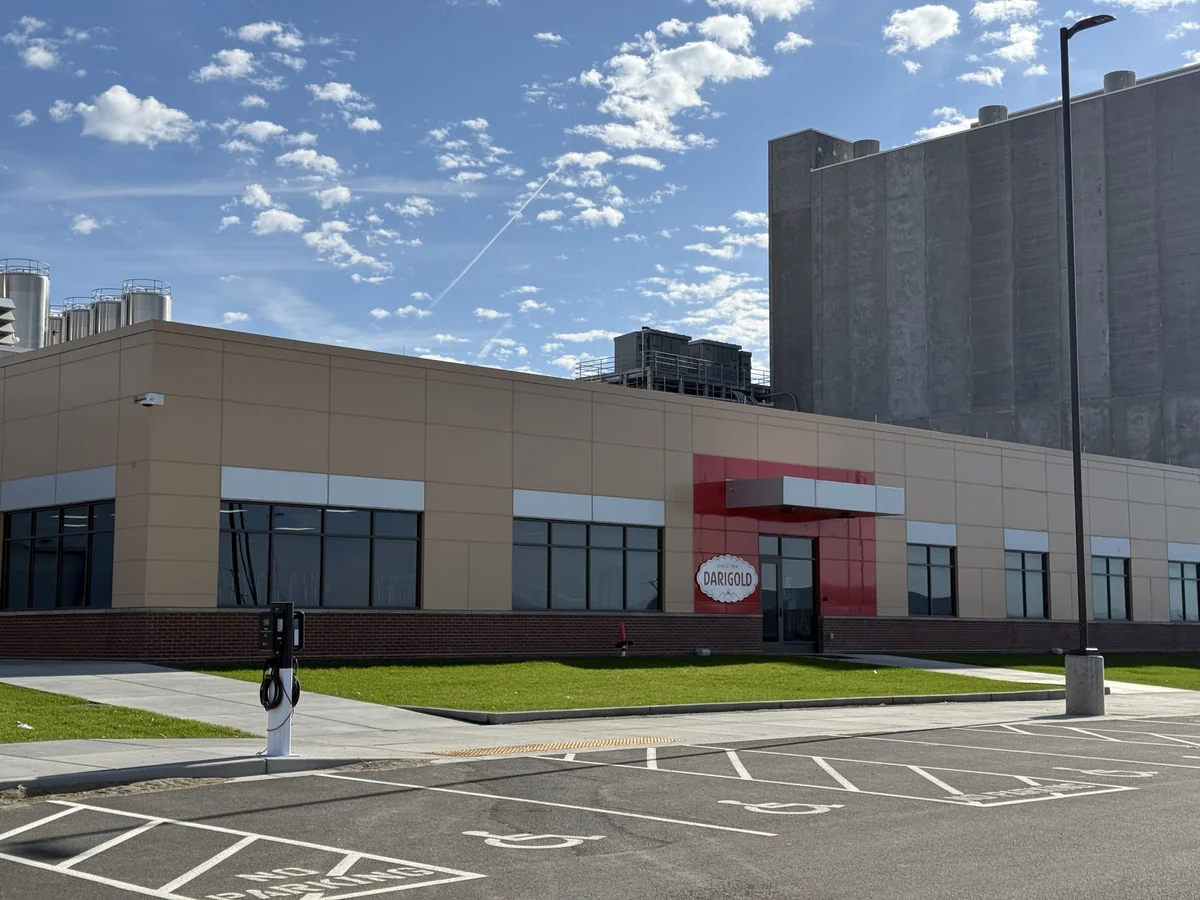
Darigold project in Pasco: facility entrance, pedestrian route and marked parking
MH CONSTRUCTION / SAFETYPEOPLE. PLANNING. FOLLOW-THROUGH.

THE STANDARD GOES TO THE FIELD

Safety has to work
where the
work happens.

Clear expectations. Prepared crews. The authority to stop. A responsibility to correct and learn.

Built on Quality, Backed by Trust. Safety under clear standards that protect every crew and family.DARIGOLD • PASCO, WASHINGTON

01 / THE EXPECTATION

Protect people.
Make responsibility clear.

MH Construction approaches safety as part of planning and delivering the work. Its written program connects leadership expectations, project preparation, field responsibilities, and documented follow-through.

The goal is for everyone to go home safe. That commitment calls for deliberate action as conditions change: identify hazards, prepare people for their tasks, correct deficiencies, and carry lessons into the next job.

For an owner, this means clear expectations and a defined path for raising and resolving safety concerns throughout the project.

02 / HOW THE PROGRAM WORKS

One connected responsibility.

Safety moves with the work. What the field learns should inform what the organization does next.

  1. 01

    Leadership expectation

    Set responsibility and support people who raise concerns.

  2. 02

    Planning

    Bring site and task conditions into preparation.

  3. 03

    Training / readiness

    Prepare people for their assigned work.

  4. 04

    Field execution

    Carry the requirements onto the project.

  5. 05

    Observation / reporting

    Make hazards and changing conditions visible.

  6. 06

    Corrective action

    Assign, correct, and verify the response.

  7. 07

    Learning

    Use experience to improve the next decision.

  8. 08

    Program improvement

    Review the system and update what needs to change.

Learning returns to planning. Program review keeps the expectations current.

03 / INSIDE THE PROGRAM

Depth behind
the daily work.

The MHC Industrial Safety & Health program brings worker readiness, field hazards, equipment, emergency planning, and program review into a structured written system.

Explore the program topics. This overview explains the scope; project teams use the controlled requirements for the work itself.

56PROGRAM TOPICS
ONE CONNECTED SYSTEM
01Core Safety / Governance
  • Safety & Health Program Overview
  • Commitment to worker safety
  • Safety Roles & Responsibilities
  • Safety & Health Orientation
  • Safety Bulletin Boards & Communication
  • Drug & Alcohol Policy & Testing
  • Drug & alcohol field requirements
  • New-worker support
  • Pre-job safety planning
  • Safety meetings & training
  • Accident Reporting & Investigation
  • Personal Protective Equipment
02Field Hazard Controls
  • Hazard communication & SDS access
  • Industrial Hygiene Program
  • Heat Stress
  • Respiratory Protection
  • Silica Safety Program
  • Bloodborne Pathogens
  • Housekeeping
  • Signs, Signals & Barricades
  • Fall Protection
  • Scaffolding Use & Handling
  • Ladder Use & Care
  • Open Floors & Holes
03Field Hazard / Equipment
  • Excavation, Trenching & Shoring
  • Confined Space Entry
  • Lockout / Tagout
  • Electrical Safety
  • Welding, Cutting & Heating
  • Flammable & Combustible Liquids
  • Fire Prevention
  • Compressed Gas & Air
  • Motor Vehicle Safety Program
  • Distracted Driving & Mobile Device Policy
  • Motor Vehicle Records (MVR) Program
  • Equipment Maintenance & Inspection
04Equipment / Emergency
  • Aerial Lifts & Elevated Work Platforms
  • Crane Suspended Work Platforms
  • Rigging Procedures
  • Forklift & powered industrial truck safety
  • Construction Equipment Modification & Fabrication
  • Hand & Power Tools
  • General Waste Management
  • Concrete & Masonry
  • Miscellaneous Safety Requirements
  • Subcontractor Management Plan
  • Insurance Requirements & Contractual Risk Transfer
  • Emergency Response Plan
05Emergency / Training / Records
  • Incident Investigation & Root Cause Analysis
  • Return-to-Work Program
  • Safety Governance & Audit Program
  • Document control & recordkeeping
  • Safety Prequalification & Compliance Reporting
  • Safety Technology & Digital Tools
  • Stop Work Authority
  • Companion Safety Programs

04 / FIELD AUTHORITY

STOP WORK AUTHORITY

Speak up.
Stop an unsafe condition.

Under MHC’s program, any worker may initiate a stop when they identify an imminent hazard or an unsafe condition that cannot be immediately corrected. Work must wait for the hazard to be controlled and the correction verified.

Safety maintains independent authority and direct access to executive leadership. Schedule pressure does not override an uncontrolled hazard.

Matt Ramsey serves as Safety Director / Project Manager, connecting safety leadership with project conditions and delivery decisions. The responsibility to work safely extends across the team.

Meet the team

05 / FROM PLANNING TO THE PROJECT

Prepare for the work
that is actually ahead.

Site conditions, work methods, and the people performing the task shape what readiness requires.

BEFORE MOBILIZATION

Plan around the conditions.

Where project conditions warrant, safety considerations enter scope review, site review, and preconstruction planning. Startup planning addresses known hazards, site access, emergency arrangements, and subcontractor expectations.

Explore preconstruction ↗
BEFORE THE TASK

Prepare the people.

The program calls for orientation, task-appropriate training, required qualifications, and refresher training when applicable. Training records and field reinforcement support readiness for the assigned work.

WHERE WORK HAPPENS

Keep the controls available.

Project-specific plans, PPE requirements, inspections, and safety communication carry the program into the field. Hazard communication includes access to Safety Data Sheets so chemical information is available to the people using it.

A shared project expectation.

Subcontractors working under MHC are expected to understand and follow project safety requirements while retaining their own responsibilities as employers.

06 / CORRECTION + LEARNING

See it. Own it.
Correct it. Verify it.

Reporting incidents, near misses, and hazardous conditions is part of the program’s expectation for learning and correction. Evaluation looks at what happened and the contributing causes so the response addresses the condition.

Corrective action has to be assigned, completed, and verified. A statement that an issue was fixed is not enough to establish closure.

Carry the lesson forward.

Incident reviews, observations, audits, and project experience can inform training, planning, and procedures. The program calls for annual review and updates when regulatory requirements or operating conditions change.

For owners, documented follow-through makes responsibility and the next action clearer.

07 / A SYSTEM PEOPLE CAN USE

From expectation
to evidence.

A structured document system keeps requirements connected to the work and the record of what occurred.

  1. 01

    Policy

    Sets the requirement.

  2. 02

    Procedure

    Defines the method.

  3. 03

    Task

    Defines the action.

  4. 04

    Form / record

    Provides evidence of the action.

08 / DATED PROGRAM EVIDENCE

A record with context.

AGC of Washington’s August 24, 2026 letter reports MHC’s 2026 experience modification rate. The letter also describes an annual audit of the written safety program and an AGC jobsite walkthrough.

This dated workers’ compensation measure does not establish an incident rate or guarantee future results.

2026 / EXPERIENCE MODIFICATION RATE0.6592

Reported by AGC of Washington

09 / LEADERSHIP IN THE FIELD

The expectation
starts with leadership.

Safety has direct access to executive authority and belongs in the project conversation from planning through follow-through.

LEADERSHIP FILM / IN PREPARATION

A field conversation with Jeremy Thamert.

Film and transcript will be available here when complete.

START WITH THE PROJECT

Bring the conditions.
Let’s plan the work.

Talk with MHC about your site, scope, and project expectations.

Your next project

Bring the scope, constraints, and required outcome.

Share the location, timing, and known constraints. Our business development team reviews your request and coordinates next steps with preconstruction when appropriate. Submission does not create a contract, confidentiality duty, or commitment to bid.

Word From the General

My commitment on every page is the same: clear planning, disciplined execution, and communication that keeps the mission, the schedule, and the build aligned.

- Jeremy ThamertOwner & Chief Executive Officer