Language: English
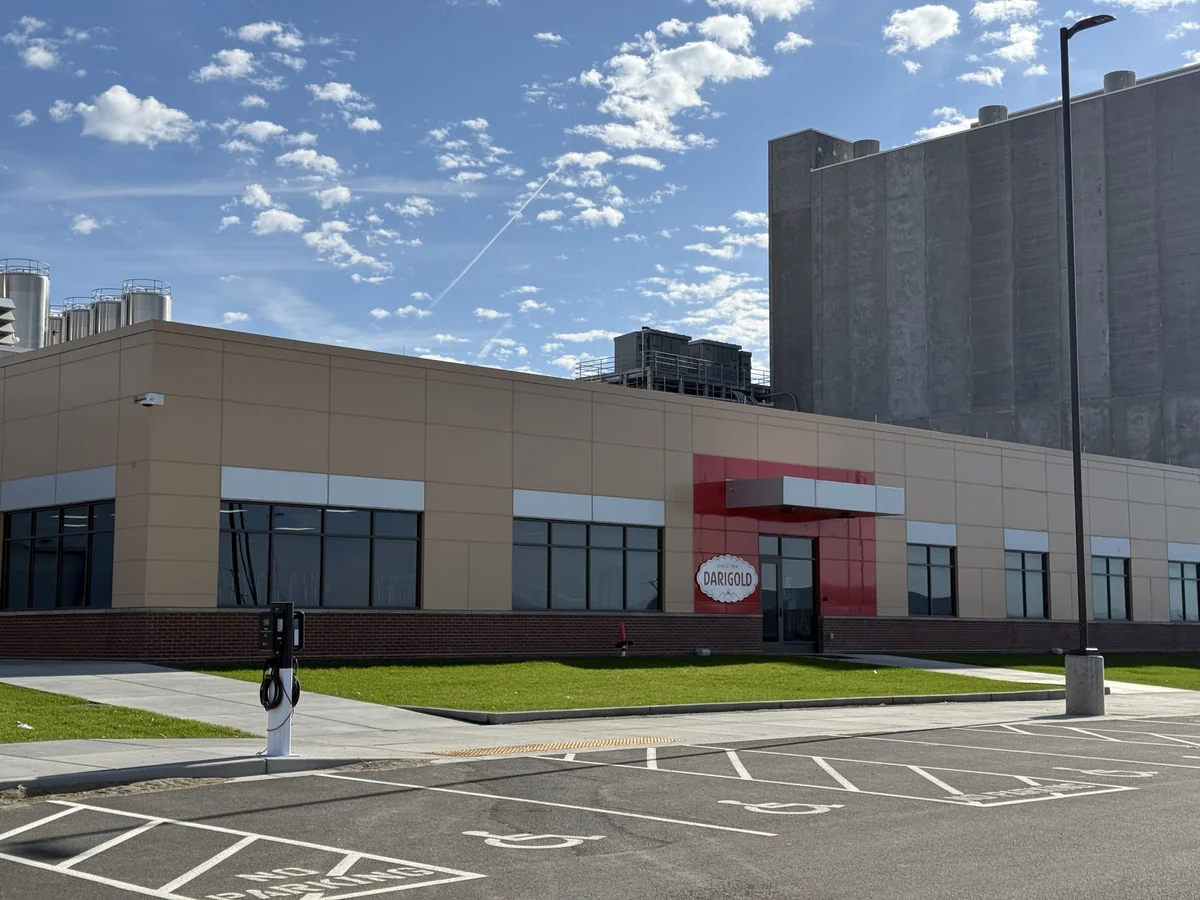
Darigold facility entrance and site access in Pasco, Washington
MHC / PRECONSTRUCTIONBEFORE THE FIRST FIELD DAY

THE BUILD STARTS WITH THE PREPARATION.

PREPARE
TO EXECUTE.

A clearer scope. A buildable plan. A handoff the delivery team can use.

MHC starts solving the project before mobilization, connecting estimating with the people who will manage and build the work.

Start a project briefing
UNDERSTAND THE WORKMAKE RISK VISIBLEMAKE THE HANDOFF COUNT

PRECONSTRUCTION / THE OWNER’S ADVANTAGE

More than
an estimate.

Before a price can mean much, the team needs to understand the work behind it.

MHC uses preconstruction to identify what is being built, how it can be built, what information is missing and what needs to be resolved before field execution. The owner gets a clearer basis for decisions while there is still time to act.

The depth of planning depends on the project, delivery requirements and information available. The purpose stays consistent: better preparation, clearer responsibility and fewer avoidable surprises.

01–02 / GET THE PROJECT IN FOCUS

Understand
before committing.

Start with the mission, the constraints and what is known today.

PROJECT FITSCOPE CLARITYFIELD REALITY
01

Qualify the opportunity.

MHC considers project type, scope, location, schedule, delivery requirements and available information alongside operating capacity. That gives both sides a responsible basis for deciding whether MHC can pursue and support the work.
02

Understand the work.

Drawings and specifications are a starting point. We examine owner requirements, design intent, trade interfaces, site conditions, access, logistics and phasing, while making assumptions, exclusions and information gaps visible.

03–05 / CONNECT THE PLAN TO THE PRICE

Know before you go.

The goal is to identify uncertainty early enough to do something about it.

03

Plan how it will be built.

Estimating, Project Management, field leadership and Operations connect around the execution plan. Depending on the work, that can mean sequencing, mobilization, temporary conditions, long-lead items, work areas, trade coordination and occupied-site constraints.

When project risks or conditions warrant it, Safety participates early in planning.

04

Surface risk early.

Identify open information, scope and schedule risk, procurement constraints, trade coverage gaps and assumptions before they become field surprises where practical.

05

Build a defensible estimate.

Connect the estimate to the scope, execution plan, trade coverage, assumptions and known risks at that revision. Before pricing moves forward, MHC reviews whether that basis can be understood and evaluated.

SCOPEPLANCOVERAGEASSUMPTIONSKNOWN RISKREVISION
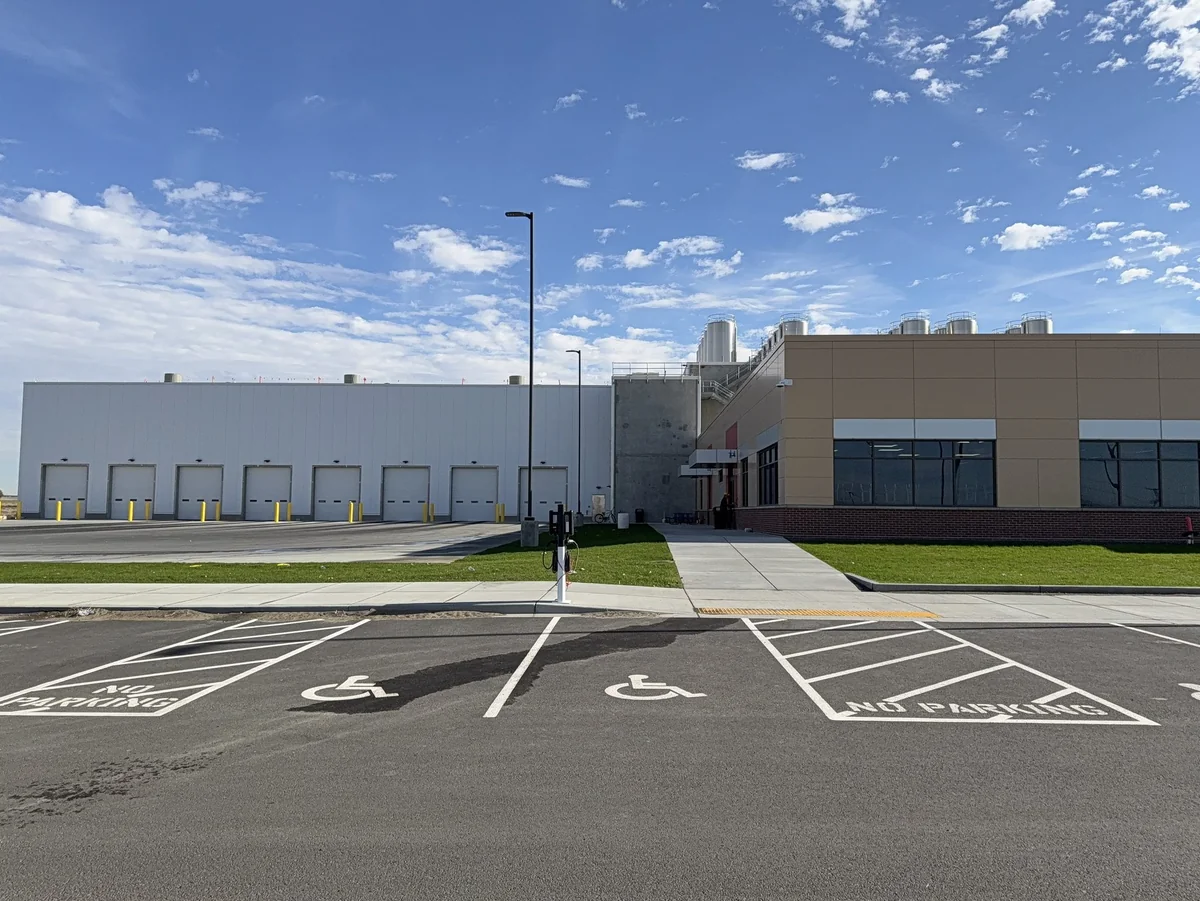
Loading dock doors, paved access and exterior utility connections at the Darigold facility
DARIGOLD / PASCO, WASHINGTON / PROJECT PHOTOGRAPHY

REAL PROJECT CONTEXT

A plan has to
meet a real site.

Access, work areas and trade interfaces become physical constraints in the field. Preconstruction is the time to ask how the work will fit together.

Explore the Darigold Pasco Production Facility project record and its documented photography.

View the project

06 / PREPARE THE HANDOFF

Make the
handoff count.

The delivery team needs the thinking behind the project, as well as the files.

Before execution, MHC works to make sure Project Management, Operations and field leadership understand the scope, assumptions, commitments, known risks and open items well enough to control the work.

Ready does not mean perfect. It means the open items are visible and owned, with responsibility and next actions understood.

An open question needs a next move.

OWNER
Who is responsible?
DATE OR TRIGGER
When does action need to happen?
KNOWN IMPACT
What does it affect?
STATUS
Where does it stand?

Unresolved items should carry forward into action, not disappear into meeting notes.

07 / ENTER EXECUTION READY

Carry the understanding forward.

Enter the field with a clearer plan, visible risks and responsibility for what remains unresolved. Track what needs attention, make corrections and feed lessons from the work into future preparation.

  1. Preconstruction
  2. Mobilization
  3. Field execution
  4. Closeout

START WITH WHAT YOU KNOW

Questions
before the build.

Bring the available information. Use the first conversation to establish what needs to be solved next.

When should I involve MHC?

Before every decision is frozen, when possible. Share the mission, location, schedule and known constraints so MHC can assess project fit and identify the information needed for the next step.

What information should I send?

Send a project overview, location, target timeline, available plans or drawings, scope information, known constraints and what you need from MHC.

Do I need complete plans?

No. You can begin a project conversation with the information available. MHC will identify gaps and explain what can be evaluated at that stage; an early conversation does not establish a final price or construction commitment.

Can MHC review an early project?

An initial briefing lets MHC review the opportunity, available information and operating fit. The scope of any further preconstruction work depends on the project and agreed delivery requirements.

How does estimating connect to Operations?

Preconstruction connects the estimate with the execution plan. Project Management and field leadership may be involved early to test schedule, sequencing, resources and field conditions, then carry the scope, assumptions and open items into Operations.

How does MHC handle open questions?

Open items should have an owner, a date or trigger, a known impact and a status. The purpose is to keep unresolved questions visible and connected to the next action.

What happens before mobilization?

MHC works to prepare a handoff that the delivery team understands: scope, assumptions, commitments, risks, open items and responsibility. Transfer readiness means the team can control the work with the remaining questions visible; it does not mean every question has disappeared.

THE NEXT STEP / PROJECT BRIEFING

Bring the project
into focus.

The earlier we understand the mission, constraints and available information, the earlier we can help identify what needs to be solved.

Start a project briefing View MHC projects

Useful information for the first conversation

  • Project overview and location
  • Timeline and delivery requirements
  • Plans or drawings, if available
  • Scope information and known constraints
  • What you need from MHC

Complete plans are not required to begin a conversation. The available information will determine what can be evaluated next.

Your next project

Bring the scope, constraints, and required outcome.

Share the location, timing, and known constraints. Our business development team reviews your request and coordinates next steps with preconstruction when appropriate. Submission does not create a contract, confidentiality duty, or commitment to bid.

Word From the General

My commitment on every page is the same: clear planning, disciplined execution, and communication that keeps the mission, the schedule, and the build aligned.

- Jeremy ThamertOwner & Chief Executive Officer